Donor Truck vs. Rebuild: The Cheaper Option Most Truck Owners Miss
Thinking about buying a donor truck or rebuilding what's broken? Compare the real costs, plus the option most people miss: buying just the parts you need from a truck that's already being parted out.
Sooner or later every truck owner hits the same fork in the road. The engine is knocking, the transmission is slipping, or the bed is rusting out, and you start wondering whether it makes more sense to buy a whole donor truck than to keep paying for repairs.
It's a fair question, but most people frame it as a two-way choice when there are really three options:
- Rebuild with new or remanufactured parts.
- Buy a whole donor truck and pull the parts yourself.
- Buy just the parts you need from a donor truck that's already being parted out.
This guide compares the real cost of each, including the hidden costs people forget, so you can pick the one that fits your truck, your budget, and your time.
Option 1: Rebuild with new or remanufactured parts
Rebuilding means keeping your truck and replacing or reconditioning what failed. It looks simple on paper, but the full cost usually includes:
- The main part, new or remanufactured, which is often the most expensive way to buy it.
- The "while you're in there" parts. Gaskets, seals, hoses, mounts, sensors, and fluids add up fast.
- Labor, whether you pay a shop or give up your weekends.
- Core charges on remanufactured parts, which you only get back if you return the old part.
- Downtime. If it's your work truck, every week it sits costs you.
Rebuilding with new parts makes sense when you want a warranty or the part is cheap and easy to find new. For big-ticket items like engines, transmissions, axles, and body panels, it's usually the most expensive option.
Option 2: Buy a whole donor truck
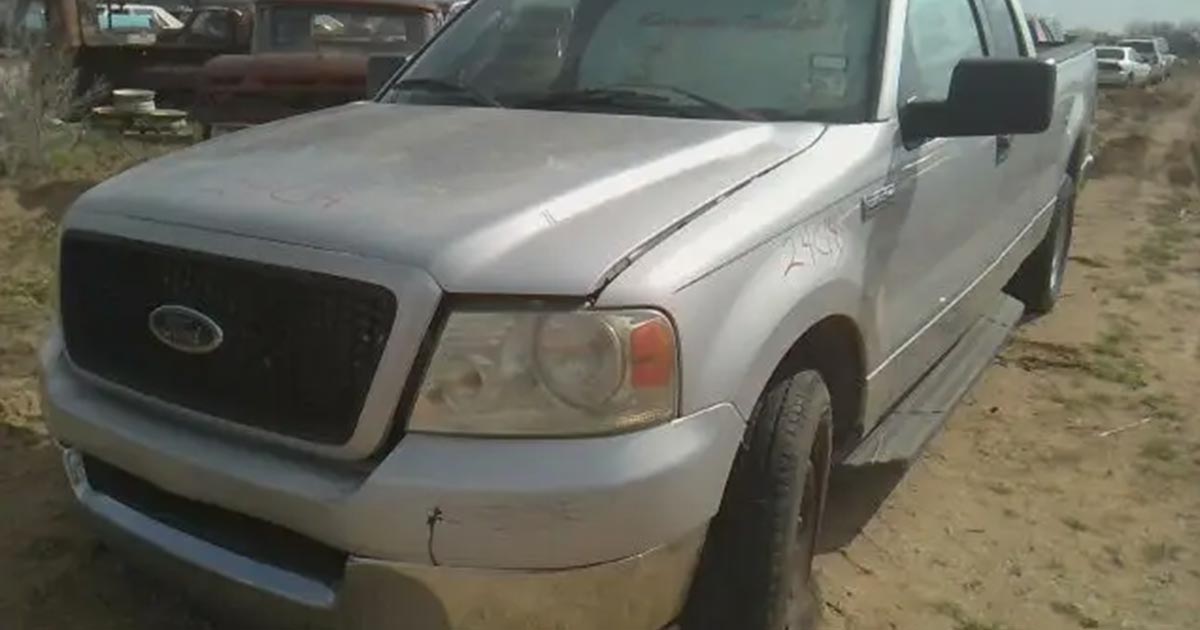
A donor truck is a second truck, usually non-running or wrecked, of the same make, model, and generation as yours. You buy it, haul it home, and pull the parts you need.
It sounds like a bargain, but the purchase price is only the start:
- Towing or hauling it home.
- Space. You need a driveway, barn, or shop where a second truck can sit for weeks.
- Time and tools to strip it.
- Paperwork. Title transfer, salvage title rules, and disposal requirements vary by state.
- Getting rid of what's left. You'll need to sell the leftover parts and scrap the shell, or it sits there.
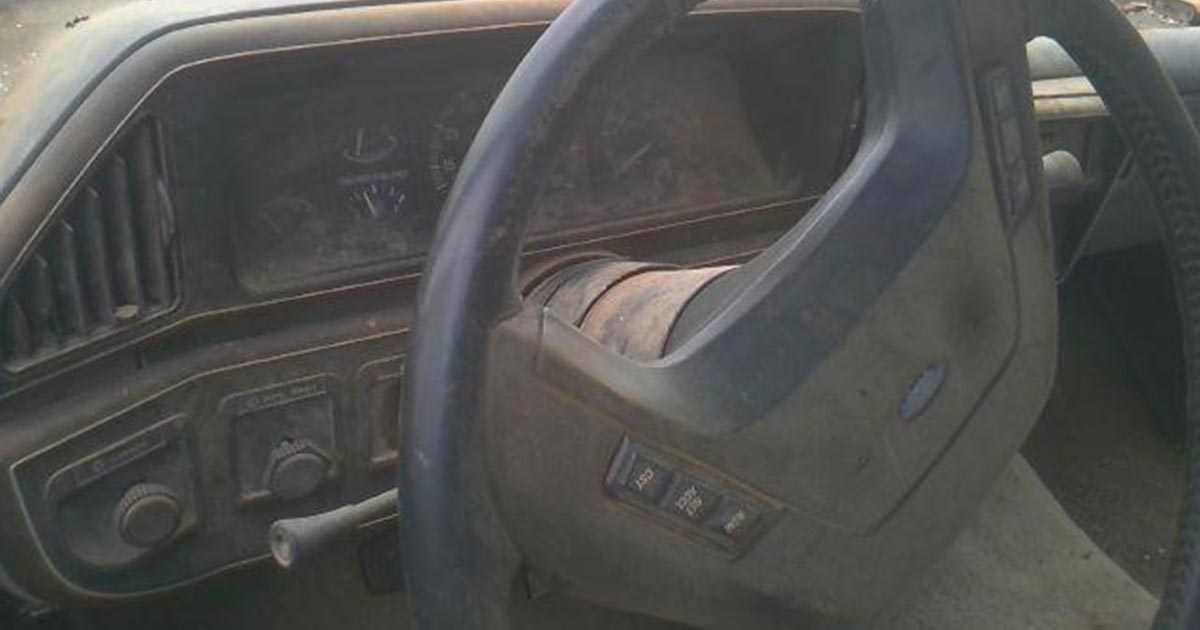
- Unknowns. A donor that "ran when parked" may need its own repairs before its engine or transmission is worth swapping in.
Buying a whole donor can work if you need a long list of parts, have the space, and enjoy the project. For most people who need one or two major parts, it's a lot of truck to deal with.
Option 3: Buy the parts off someone else's donor truck
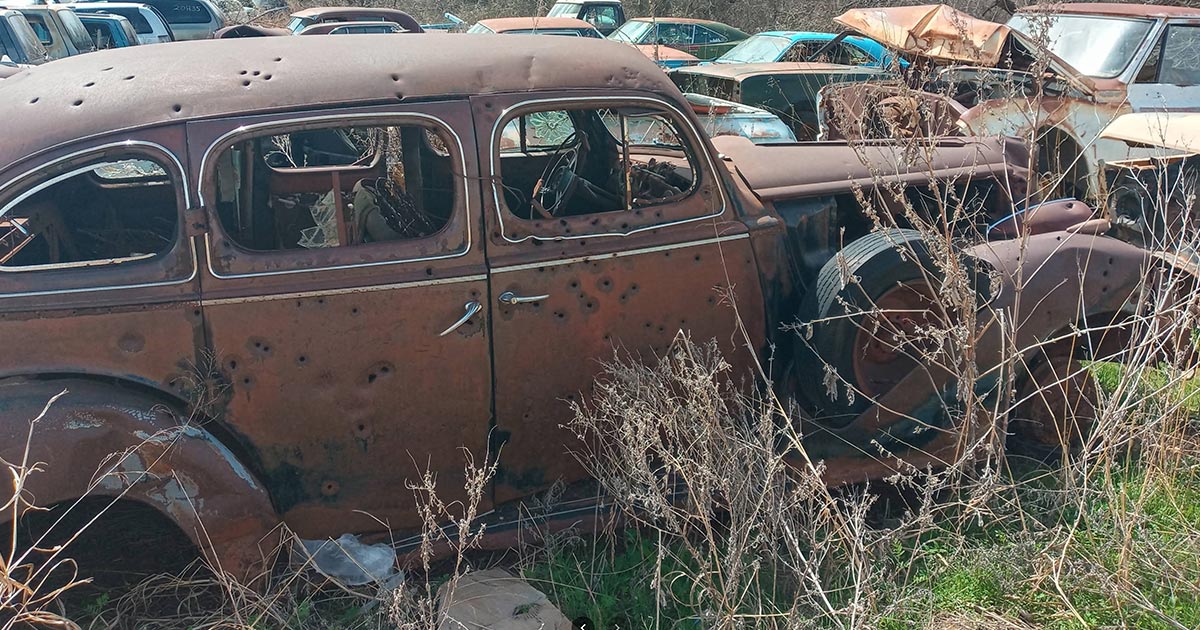
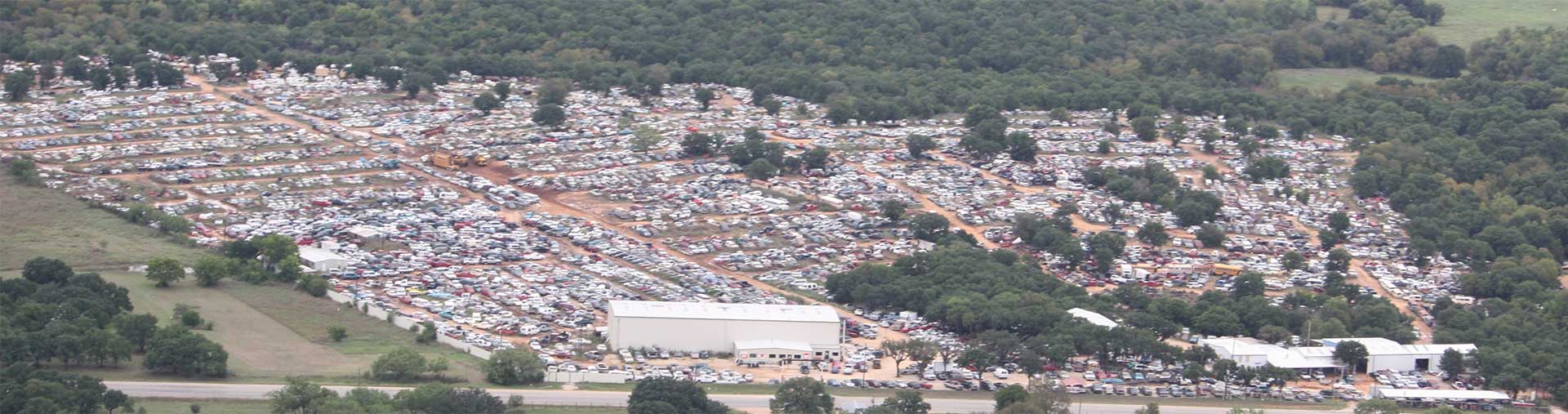
Here's the option most people miss. Salvage yards and dismantlers buy donor trucks every day. Many of them are being parted out right now, and the exact parts you need are probably still on one of them.
When you buy just the parts you need from a donor that's already being parted out, you get the main benefits of the donor route:
- Used OEM parts at used prices, often a fraction of new.
- Factory fit, because the part came off the same make, model, and generation.
- Matching parts from one vehicle. You can get the engine and the wiring, or the door and the mirror, with the same color, trim, and options.
And you skip the downsides:
- No hauling, storing, or scrapping a whole truck.
- No title or disposal paperwork.
- No paying for parts you'll never use.
On Parting Out you can see the actual donor vehicle, with photos, mileage, and specs, before you ask for a part. You can also request parts the seller hasn't listed yet, because they're still sitting on the truck.
A simple cost worksheet you can use
Put all three options side by side. These are example numbers only, so plug in real quotes for your truck.
Option 1: Rebuild with a remanufactured transmission
| Item | Example cost |
|---|---|
| Remanufactured transmission | $2,800 |
| Seals, fluids, mounts | $200 |
| Shop labor | $900 |
| Total | $3,900 |
Option 2: Buy a whole donor truck
| Item | Example cost |
|---|---|
| Non-running donor, same generation | $1,500 |
| Towing | $200 |
| Seals, fluids, mounts | $200 |
| Your labor (DIY) | $0 |
| Leftover parts sold | –$600 |
| Scrap the shell | –$300 |
| Total | $1,000, plus weeks of storage, stripping, and selling |
Option 3: Buy the transmission off a donor being parted out
| Item | Example cost |
|---|---|
| Used OEM transmission from a donor truck | $1,000 |
| Shipping or local pickup | $150 |
| Seals, fluids, mounts | $200 |
| Your labor (DIY) or shop install | $0–$900 |
| Total | $1,350–$2,250 |
In these made-up numbers, buying a whole donor looks cheapest on paper, but only if you do all the work, have the space, and actually sell the leftovers. Buying the part off an existing donor gets you close to that price with none of the hassle, and it still works if a shop does the install.
When each option makes sense
Rebuild with new or reman parts when:
- You want a long warranty.
- The part is inexpensive or easy to find new.
Buy a whole donor truck when:
- You need a long list of major parts at the same time.
- You do all your own work and have room to store a second truck.
- You're prepared to sell off and scrap what's left.
Buy parts off a donor that's already being parted out when:
- You need one or a handful of major parts, like an engine, transmission, axle, doors, or a bed.
- You want used OEM fit without the cost of new.
- You don't have space for a second truck, or you're paying a shop to install.
- The part is hard to find, such as on older trucks, discontinued trims, or split-year models like the ones in our F-150 Heritage and Silverado Classic guide.
For most truck owners, the third option is the sweet spot.
How to buy the right part off a donor truck
- Match the generation, not just the model name. Names carry over between generations, but parts often don't. Confirm by year range, body style, and VIN.
- Match the drivetrain. Engine code, transmission type, 2WD vs. 4WD, and axle ratio all affect fitment.
- Find out why the truck is a donor. A truck that was rear-ended may have a perfect engine. One that overheated may not.
- Ask about the part. Ask for mileage, photos of the actual part, and how it ran or shifted before the truck came off the road.
- Grab the extras while you're at it. If you need the transmission, ask about the crossmember, cooler lines, or wiring from the same truck.
Find parts on donor trucks being parted out now
Start by browsing donor vehicles or searching by make, then narrow down to your truck:
- Ford F-150 used parts
- Chevrolet Silverado 1500 used parts
- GMC Sierra 1500 used parts
- Ram 1500 used parts
- Dodge Ram 1500 used parts
- Toyota Tacoma used parts
- Ford Ranger used parts
Don't see the part listed? It may still be on the truck. Our guide on how to find hard-to-find auto parts shows how to request it, and you can read how Parting Out works to see how requests go straight to the seller.
The bottom line
Rebuilding with new parts is the most expensive way to fix a truck, and buying a whole donor truck is a project of its own. For most people, the smartest move is the middle path: buy the parts you need from a donor truck that's already being parted out. You get used OEM fit at used prices without hauling a second truck home.
Ready to find your part? Browse donor vehicles and see what's still available for your truck today.